

Chariot
0

Last Updated: November 12, 2026
Quick Summary
Sustainable fashion is the practice of designing, producing, selling and wearing clothing in ways that reduce environmental harm and protect the people who make it. It weighs material choice, labour conditions, waste and garment longevity together, rather than treating any one of them as the whole answer.
- Four core principles sit underneath credible claims: material choice, labour ethics, waste reduction and longevity.
- No fibre is universally better; judge materials on how they are grown, processed, dyed and disposed of.
- The biggest environmental gains come from making fewer, better garments and keeping them in use longer.
- Verification starts with evidence: check a named certification's scope and look it up on the certifier's register.
- You do not need to replace your wardrobe; wear what you own, repair what's fixable and buy less.
Ready to wear your story?Hand-illustrated, small-batch womenswear in natural fabrics, made to be worn for years.
Explore the Collection
Table of Contents
- What Sustainable Fashion Actually Means
- The Core Principles Behind Every Ethical Garment
- Sustainable Clothing Materials and Their Trade-Offs
- Sustainable Fashion Practices That Cut Environmental Harm
- How to Verify a Sustainability Claim Before You Buy
- How to Build a Sustainable Wardrobe Without Starting Over
- Circular Fashion: Repair, Resale and End of Life
- Choosing Pieces That Carry Your Story
- Frequently Asked Questions
What Sustainable Fashion Actually Means
Sustainable fashion is the practice of designing, producing, selling and wearing clothing in ways that reduce environmental harm and protect the people who make it. It weighs material choice, labour conditions, waste and garment longevity together, rather than treating any one of them as the whole answer.
This guide sets out the principles that actually hold up under scrutiny, and the questions that separate a genuine commitment from a marketing line.
Here's the uncomfortable part most guides skip: clothing sustainability is a series of trade-offs, not a checklist you complete. A fibre can be natural and still be grown with heavy pesticide use. A garment can be made locally and still be designed to fall apart in a season. Holding several principles in view at once is the only honest way to judge a piece.
Below, we break down what sustainable fashion principles mean in practice, how to verify a claim before you spend, and how to build a wardrobe that lasts without throwing out what you already own.
The Core Principles Behind Every Ethical Garment
Four principles sit underneath almost every credible sustainability claim: material choice, labour ethics, waste reduction and longevity. They interlock. A garment made from excellent fibre in a factory with poor conditions is not sustainable, and neither is an ethically made piece designed to be discarded.
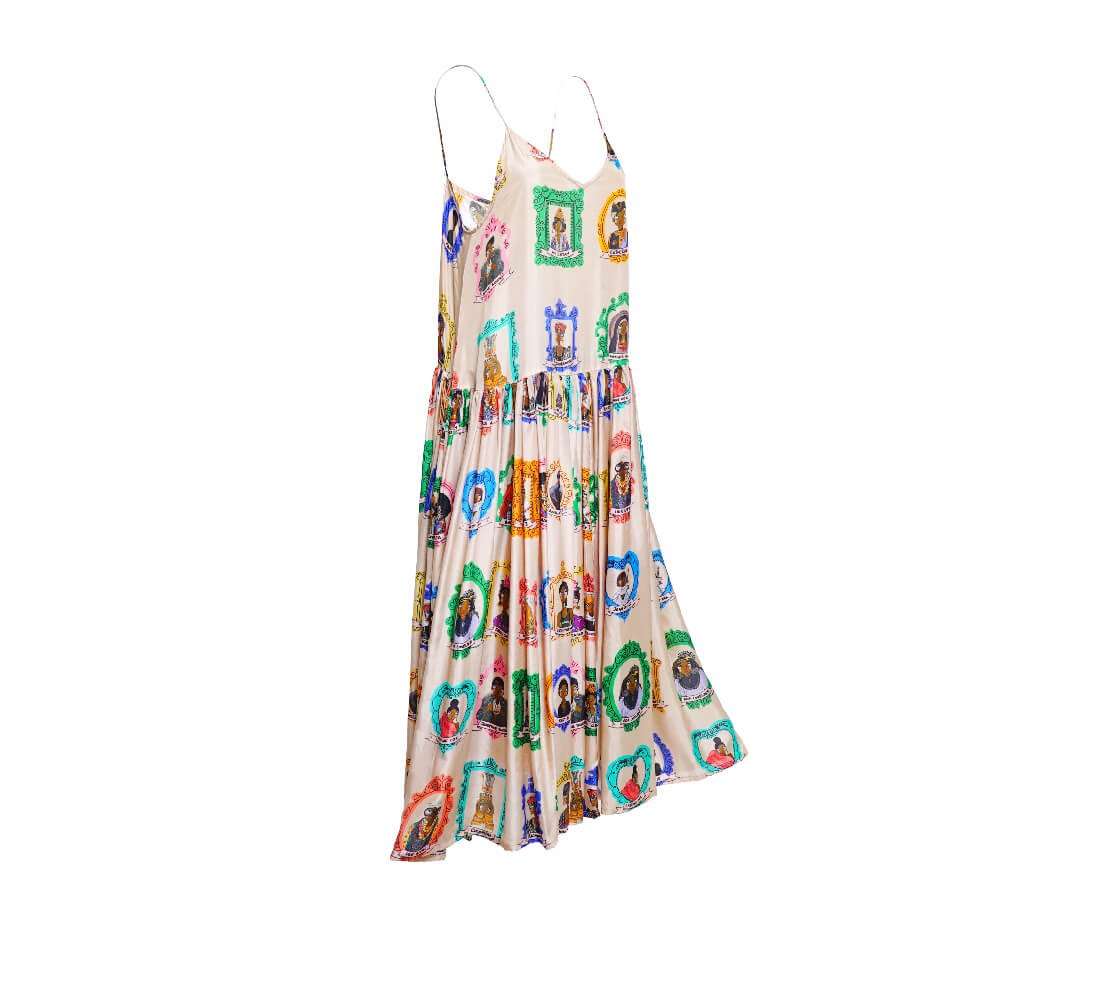
Material choice and fibre sourcing
Fibre selection sets much of a garment's environmental footprint before it is even cut. Natural fibres such as linen, silk and organic cotton avoid some of the problems associated with synthetic textiles, but the farming and processing methods behind them matter just as much as the fibre name on the label. A common mistake is treating "natural" as a synonym for "low impact". It isn't.
Labour ethics and supply chain transparency
Supply chain transparency is the practice of disclosing where and by whom a garment is made, at each stage. Without it, a buyer has no way to assess worker welfare or fair labour conditions. Traceability from fibre to finished piece is the foundation; transparency is what lets you check it.
Waste reduction and overproduction
The industry's overproduction problem is structural: too much is made, too much is discounted, and too much ends up unsold or unworn. Small-batch production is one direct counter to this. Making fewer pieces, to order where possible, keeps unsold stock out of landfill and gives each garment a reason to exist. If you want to see how this plays out in practice, our guide to why small-batch fashion is better walks through the model.
Sustainable Clothing Materials and Their Trade-Offs
No fibre is universally better than another. Sustainable clothing materials are judged on how they are grown, processed, dyed and eventually disposed of, and every option carries a trade-off worth knowing before you buy.
A lifecycle view helps here. Impact accumulates at four stages: raw-material extraction or farming, manufacturing and finishing, the use phase (washing, drying, ironing), and end of life. A fibre that looks good at stage one can lose its advantage at stage two or three.
Certification scope matters as much as the fibre name.
A common pattern is that brands promote the one stage where they perform well and stay quiet on the others.
For a deeper comparison of fibre options and how they behave in real garments, see our breakdown of the best natural fabrics for printed clothing.
Every fibre carries a trade-off, so here is how the main options compare on what they offer and what they cost environmentally.
| Material | Best for | Key difference |
|---|---|---|
| Linen | Lower irrigation needs | From flax; processing and dyeing still carry impact |
| Silk | Durability and long wear | Production is water and energy intensive |
| Recycled polyester | Reducing virgin fossil feedstock demand | Depends on collection systems; can shed microfibres |
| Organic cotton | Avoiding synthetic pesticide inputs at farm stage | Still needs water and energy to grow, spin and dye |
Sustainable Fashion Practices That Cut Environmental Harm
The biggest environmental gains in sustainable fashion practices come from making fewer, better garments and keeping them in use longer. That single shift touches water consumption, energy use, chemical management and carbon emissions at once.
Dyeing processes and finishing are where toxic chemicals and water use concentrate, which is why low-impact production methods and responsible manufacturing matter. On the design side, durability and timeless design reduce the need for replacement. Repair and care extend a garment's working life further still.
What most guides miss is that longevity is a design decision, not just a consumer habit. A garment built to survive years of wear, in a cut that doesn't date, does more for resource efficiency than any single material swap. The Ellen MacArthur Foundation has documented how circular economy thinking reframes waste as a design failure rather than an inevitability, and that framing is useful when judging a piece.
How to Verify a Sustainability Claim Before You Buy
Verification starts with evidence, not adjectives. Greenwashing is common enough that a claim without a named certification, a disclosed supplier or a specific, checkable commitment should be treated as marketing until proven otherwise. The practical skill is knowing what each label actually covers and where to check it.
Start with certification scope. Third-party standards vary in what they verify: some cover fibre content, some cover chemical inputs and wastewater, some cover labour, and few cover all three.
Then check the claim's specificity. Vague terms such as "eco-friendly", "conscious" or "planet-positive" carry little verifiable meaning on their own. Specific claims, a named fibre with a percentage, a disclosed factory, a stated recycled content figure, can be checked.
Use this checklist before you commit:
- Is there a named third-party certification, and can you look it up independently on the certifier's register?
- Does the label state the standard's scope (fibre, chemicals, labour, recycled content) rather than implying it covers everything?
- Does the brand disclose where the garment is made, not just "responsibly"?
- Are material claims specific (fibre type, percentage, origin) rather than vague?
- Is there a stated commitment to small-batch or made-to-order production?
- Can you find the brand's care and repair guidance?
- Are sustainability claims consistent across the website and product pages?
A common pattern in greenwashing is the unqualified comparative claim, "better for the planet" without a stated baseline, or a certification logo displayed at brand level when it applies only to one product line.
If a brand can't answer these questions plainly, that silence is your answer.
How to Build a Sustainable Wardrobe Without Starting Over
You do not need to replace your wardrobe to make it more sustainable. How to build a sustainable wardrobe is really about buying less, choosing better, and wearing what you already own for longer.
Start by wearing what you have. Repair what's fixable. When you do buy, choose pieces that work across multiple outfits and suit your actual life, not a trend cycle. A reader rebuilding from scratch will find practical alternatives in our guide to alternatives to fast fashion for creative women, and if you're investing in a few lasting pieces, our slow fashion investment pieces guide covers how to choose them.
Circular Fashion: Repair, Resale and End of Life
Circular fashion keeps garments in use for as long as possible through repair, resale, rental and thoughtful end-of-life planning. The principle is simple: the most sustainable garment is usually the one already in your wardrobe.
Practical moves include learning basic repairs, using resale platforms when a piece no longer suits you, and choosing fabrics that can be mended rather than discarded. Durability and garment quality are what make circularity possible in the first place.
Choosing Pieces That Carry Your Story
The final principle is the most personal: buy pieces that mean something. Clothing that reflects your identity, heritage or values gets worn, and worn clothing is sustainable clothing.
This is where thoughtfully made, story-driven design earns its place. At a.nty story, we create pieces from original artwork, printed on natural fabrics including linen and silk, produced in small batches. Each piece is designed to be worn for years, not a season.
If you're drawn to pieces with a story behind them, you can explore the Afro Chintz collection and see how original illustration becomes wearable art.
Building a wardrobe on sustainable fashion principles asks you to slow down, ask better questions, and choose pieces you'll actually wear. That's harder than it sounds, which is why we design the way we do: hand-illustrated prints, natural fabrics, small-batch production and a focus on garments meant to last. Explore the a.nty story collection and find a piece that carries your story.
Frequently Asked Questions
What are the main principles of sustainable fashion?
Sustainable fashion rests on a handful of connected principles: choosing lower-impact materials such as linen, silk and recycled fibres; ensuring fair labour and transparent supply chains; reducing water, energy and chemical use in production; cutting waste and overproduction through small-batch or made-to-order runs; and designing garments to last so they stay in use for years. Durability and timeless design matter as much as fibre choice, because a well-made piece worn often offsets its production impact over time.
What is the difference between sustainable fashion and ethical fashion?
The two overlap but focus on different things. Sustainable fashion centres on environmental impact: materials, water and energy use, chemical management, emissions and waste. Ethical fashion centres on people: fair labour, worker welfare, safe conditions and social responsibility across the supply chain. A garment can be made from organic fibres yet still involve poor labour practices, so a genuinely responsible purchase considers both the environmental and the human side.
How can I tell whether clothing is made sustainably?
Look for specifics rather than slogans. Check whether the brand names its fibre sources, describes where garments are made and how large the production run is, and publishes information about its supply chain. Third-party certifications and published progress updates are stronger signals than a single 'eco' label. If a claim cannot be traced to a named material, factory or standard, treat it as marketing until the brand provides detail.
Which fabrics are considered more sustainable?
There is no universally best fibre, because every material involves trade-offs. Natural fibres such as linen and silk can be durable and long-lasting, while organic and recycled fibres reduce reliance on virgin resources. What matters is how the fibre is grown or produced, how it is dyed and finished, and how long the finished garment lasts. A durable natural-fabric piece worn for years often has a lower impact than a short-lived item made from a 'greener' fibre.
How can I make my wardrobe more sustainable without buying everything new?
Start with what you own. Repair damaged seams and buttons, wash less often and at lower temperatures, and air garments between wears to extend their life. When you do buy, choose pieces that work with what you already have and suit your actual routine. Resale, rental and clothing swaps let you add variety without new production. Buying fewer, better-made items and wearing them more is the single biggest lever most people have.
What does circular fashion mean in practice?
Circular fashion keeps garments in use for as long as possible and then recovers value at end of life, rather than treating clothes as disposable. In practice that means designing for durability and repair, offering resale or take-back programs, and recycling fibres where quality allows. For shoppers, it means repairing before replacing, buying second-hand, and choosing pieces whose construction will survive years of wear rather than a single season.
